
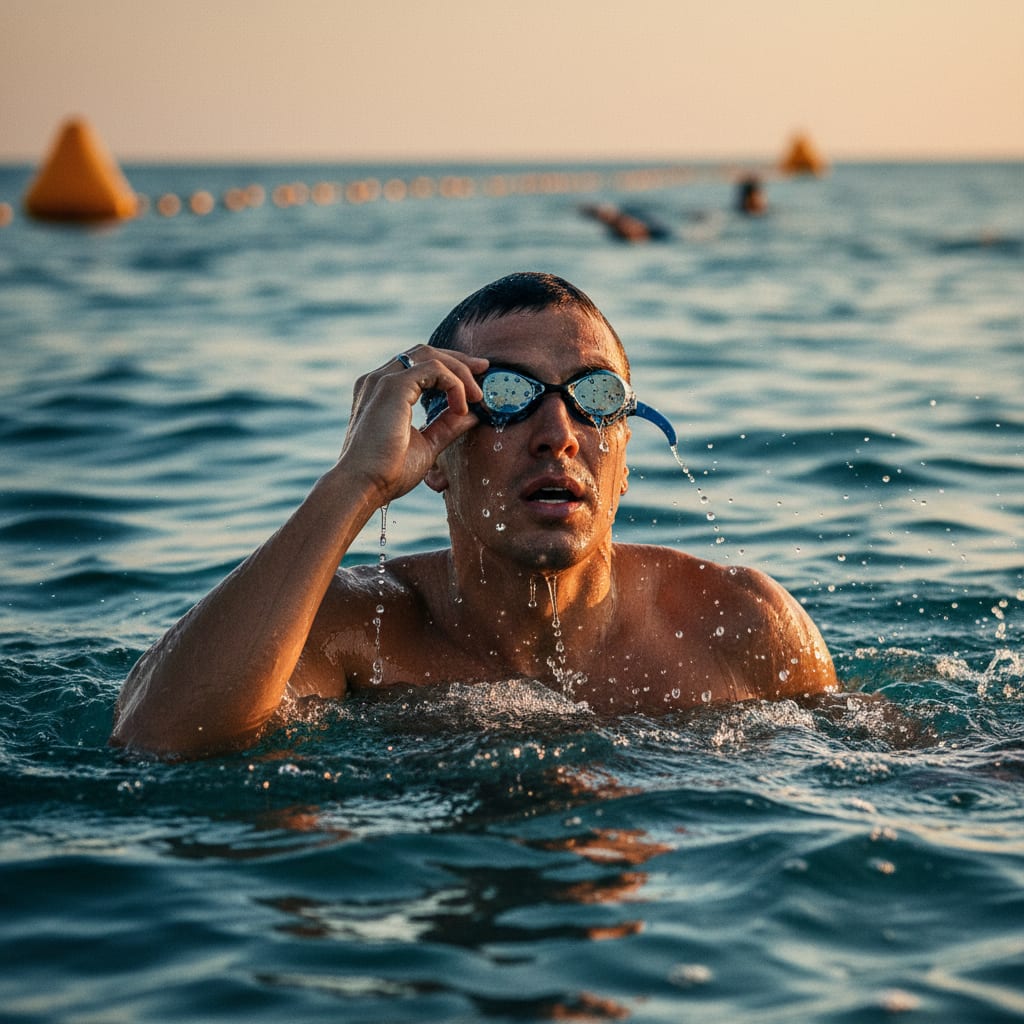
The Triathlon Goggle Fit Problem: Why Most Athletes Are Racing Blind (and Don’t Know It)
The Triathlon Goggle Fit Problem: Why Most Athletes Are Racing Blind (and Don’t Know It)
You’ve spent months training. Your bike is dialed. Your run splits are consistent. Then the swim leg arrives, and you spend half of it stopping to drain water out of your goggles, squinting into murky green water, or fighting a seal that popped loose at the first wave impact.
Goggles are the cheapest piece of kit you’ll buy for a triathlon. They’re also one of the most underresearched. Most athletes grab whatever worked in the pool, toss them in the transition bag, and assume that’s good enough. Open water doesn’t work that way.
—
Why Do Pool Goggles Fail in Open Water?
Pool goggles are designed for calm, flat, controlled conditions – open water introduces wave turbulence, sun angles, debris, and sighting demands that most pool goggle designs don’t account for. The difference shows up fast when you’re racing.
Here’s what actually changes:
- Seal pressure: Pool water is still. Open water hits your face from angles. A seal that holds at rest can break under lateral wave impact.
- Lens tint: Indoor pools have consistent artificial lighting. Open water means direct sun, low-angle morning glare, or overcast flat light – and the wrong tint degrades your visibility significantly.
- Field of view: Sighting a buoy 400 meters away is nothing like following the black line. Wider lenses and a lower-profile frame help you spot targets without breaking stroke rhythm.
- Fogging: Sweat and body heat build up faster in a wetsuit start. A goggle with good anti-fog coating matters more in open water, not less.
—
How Do You Actually Test Goggle Fit Before Race Day?
A good goggle fit means the lens creates suction against your eye socket for 5-10 seconds without the strap – if it drops immediately, the seal will fail under race conditions. That’s the only test that matters at the start.
Beyond the suction test:
1. Wear them in choppy water. This sounds obvious. Almost nobody does it. Your local lake, river, or even a wave pool tells you more than any pool session. 2. Check for pressure points after 20 minutes. Temple pressure and nose bridge pain won’t show up in a 10-minute try-on. They’ll show up at kilometer 1.5. 3. Test your sighting angle. Lift your eyes – not your head – and check whether you can see forward clearly. Low-profile frames (like those on the Speedo Fastskin Hyper Elite or TYR Special Ops 2.0) allow better forward sighting without a full head lift. 4. Replicate race conditions. If you’re starting with a wetsuit, test the goggles under a neoprene cap. The stack of layers changes how straps sit and how much pressure the seal holds.
—
Which Goggle Specs Actually Matter vs. Which Are Just Marketing?
UV protection (UVA/UVB blocking to 99-100%) and lens tint are the two specs that genuinely affect open-water performance. Anti-scratch coatings and “hydrodynamic frames” rarely make a measurable difference at amateur race speeds.
Specs worth caring about:
- Lens tint by condition: Smoke or dark grey for bright sun and mid-morning starts. Blue-mirrored for high-glare flat water. Clear or amber/yellow for overcast or murky conditions. A tinted lens in dark water on an overcast morning actively hurts you.
- Gasket material: Silicone gaskets outlast foam and conform better to irregular face shapes. Foam seals are lighter but compress and degrade with exposure to salt and chlorine.
- UV rating: Look for 100% UVA/UVB blocking. Most quality goggles from Aqua Sphere, Speedo, and TYR hit this. Cheaper unbranded options often don’t – and a two-hour open-water race with sub-standard UV protection causes real eye strain.
Specs that matter less than advertised:
- Frame aerodynamics (you’re swimming, not cycling)
- Anti-fog labels on goggles with thin coatings that wear off after six weeks
- “Panoramic” claims on lenses that are only marginally wider than standard
—
FAQ
What goggle lens color is best for triathlon open water swims? Smoke or dark mirrored lenses work best for sunny, high-glare conditions typical of morning race starts. Amber or clear lenses perform better in overcast light or murky water.
How tight should triathlon goggles be? Tight enough to create suction without the strap, but not so tight they leave indentations or cause temple pressure within 15-20 minutes of wear. Pain mid-race is a distraction you can’t afford.
Can I use the same goggles for pool training and open water racing? You can, but you should test them specifically in open water before race day. Pool performance doesn’t predict open-water seal integrity or sighting comfort.
How often should I replace my triathlon goggles? Anti-fog coating typically degrades within 6-12 months of regular use. If you’re training 3-4 days per week in the water, plan to replace goggles annually, or sooner if the seal softens or coating clouds over.
Are expensive goggles actually worth it for amateur triathletes? The $30-$60 range from brands like Aqua Sphere Kayenne or TYR Special Ops covers everything most athletes need. Goggles above $80 mostly add polarized coatings or racing-specific fits – worth it if glare is a consistent problem at your race venues, not otherwise.
—
The Takeaway
Your goggles are a $30-$60 decision with outsized consequences on race day. Get the tint right for your typical race conditions, test the seal in actual open water, and check for fit under the full stack of gear you’ll be wearing. The athletes who lose time in the swim leg because of gear are almost never those who bought cheap goggles – they’re the ones who never tested the right goggles before the gun went off.

